 Mark Luigi Dacumos
WIC helps families buy specific nutritious foods during pregnancy, infancy, and early childhood.
The program is officially called the Special Supplemental Nutrition Program for Women, Infants, and Children. It supports pregnant women, new mothers, breastfeeding mothers, infants, and children up to age 5.
WIC is not the same as SNAP. SNAP covers a wide range of grocery foods. WIC focuses on specific foods chosen to support growth, pregnancy, breastfeeding, and child nutrition.
Who Can Qualify for WIC?
You may qualify for WIC if you are:
- Pregnant
- Breastfeeding
- Recently had a baby
- Caring for an infant
- Caring for a child under age 5
You must also meet income rules, live in the state where you apply, and be found to have a nutritional need. That nutritional need is usually checked during a WIC appointment.
A nutritional need does not always mean something severe. It may include anemia, low weight, high-risk pregnancy, poor diet, feeding concerns, or other nutrition-related concerns.
WIC Income Rules
WIC income limits are tied to federal poverty guidelines.
In most cases, your household income must be at or below 185% of the federal poverty guidelines. The exact dollar amount depends on household size and the current year’s WIC income chart.
For the 2025 to 2026 WIC income guidelines, USDA lists the income standard by household size and updates the chart each year.
You may also be income-eligible automatically if you or your child receives certain benefits, such as Medicaid, SNAP, or TANF. This is often called adjunctive eligibility.
Do You Have to Be a U.S. Citizen?
WIC is run by states, territories, and local agencies, so application details can vary.
In general, WIC focuses on nutrition support for eligible women, infants, and children who live in the service area. If you are unsure about immigration or residency rules, contact your local WIC office directly and ask what documents they require.
Do not assume you cannot apply before checking.
What Foods Does WIC Cover?
WIC foods are assigned based on the participant’s category and nutrition needs.
USDA says WIC participants receive monthly benefits from science-based food packages based on life stage and nutritional needs. Families use a WIC EBT card to buy the approved foods and drinks in their package.
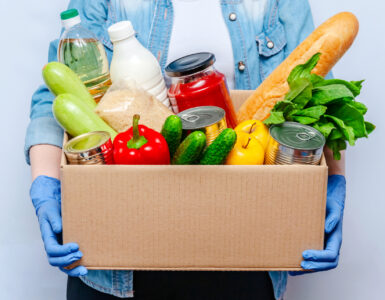
Depending on your WIC package, approved foods may include:
- Infant formula
- Infant cereal
- Baby food fruits and vegetables
- Milk
- Cheese
- Yogurt
- Eggs
- Breakfast cereal
- Whole grain bread
- Tortillas or other whole grains
- Brown rice or pasta
- Beans
- Peanut butter
- Canned fish for some participants
- Fruits and vegetables
- Juice, in some packages
The exact brands, sizes, and items depend on your state WIC list and what is loaded onto your card.
Fruits and Vegetables
WIC includes fruit and vegetable benefits.
USDA’s WIC food rules allow varieties of fresh fruits and vegetables, and also allow certain frozen, canned, and dried options that meet program requirements. Some items cannot have added sugars, fats, oils, or other disallowed ingredients.
Your WIC app or shopping guide will show which items are approved in your state.
Formula and Breastfeeding Support
WIC can provide infant formula when it is part of the baby’s food package.
If your baby needs a special formula, your WIC office may require medical documentation. Approved formula brands and types depend on state contracts and medical needs.
WIC also supports breastfeeding. Breastfeeding participants may receive nutrition education, lactation support, breast pump help, and different food packages depending on their situation.
Can You Use WIC and SNAP Together?
Yes. WIC and SNAP can be used together.
WIC covers specific foods for pregnant women, postpartum women, breastfeeding mothers, infants, and young children. SNAP helps eligible households buy a wider range of grocery foods.
Many families use WIC first for approved items, then use SNAP or another payment method for the rest of the grocery list.
How to Apply for WIC
Start by contacting your state or local WIC office.
You may be able to begin online, by phone, or in person. USDA also has a WIC eligibility tool that can help you check whether you may qualify and find next steps.
You may need:
- Photo ID
- Proof of address
- Proof of income
- Medicaid, SNAP, or TANF information, if applicable
- Pregnancy confirmation, if applicable
- Child’s birth certificate or ID, if available
- Immunization records, if available
- Medical or nutrition information, if requested
At the appointment, WIC staff may check height, weight, and iron levels. They may also ask about eating habits, pregnancy, breastfeeding, and child feeding needs.
How Shopping With WIC Works
Most states use WIC EBT cards.
Your approved benefits are loaded onto the card. At the store, you use the card to buy only the foods in your WIC package.
Before shopping, check your state WIC app or printed food guide. It can help you avoid picking the wrong size, brand, or type.
Bottom Line
WIC can help eligible pregnant women, new mothers, breastfeeding mothers, infants, and children under age 5 get specific nutritious foods and nutrition support.
To qualify, you generally need to meet income rules, live in the state where you apply, and complete a nutrition screening. Approved foods vary by state and food package, so always check your WIC app, local clinic, or shopping guide before buying.