 Mark Luigi Dacumos
Yes. You can receive SNAP benefits and still use food banks, food pantries, soup kitchens, and other local food programs.
SNAP and food banks are different types of help. SNAP gives eligible households monthly food benefits on an EBT card. Food banks and pantries provide groceries or meals directly through local organizations.
Using both is common, especially when SNAP does not last the full month.
SNAP and Food Banks Work Together
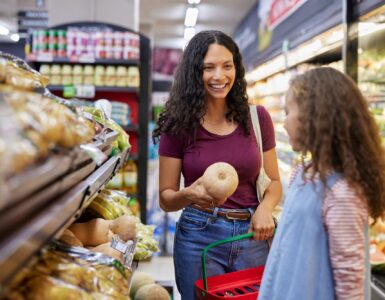
SNAP helps you buy groceries at approved stores and retailers.
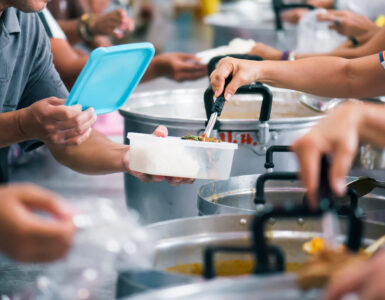
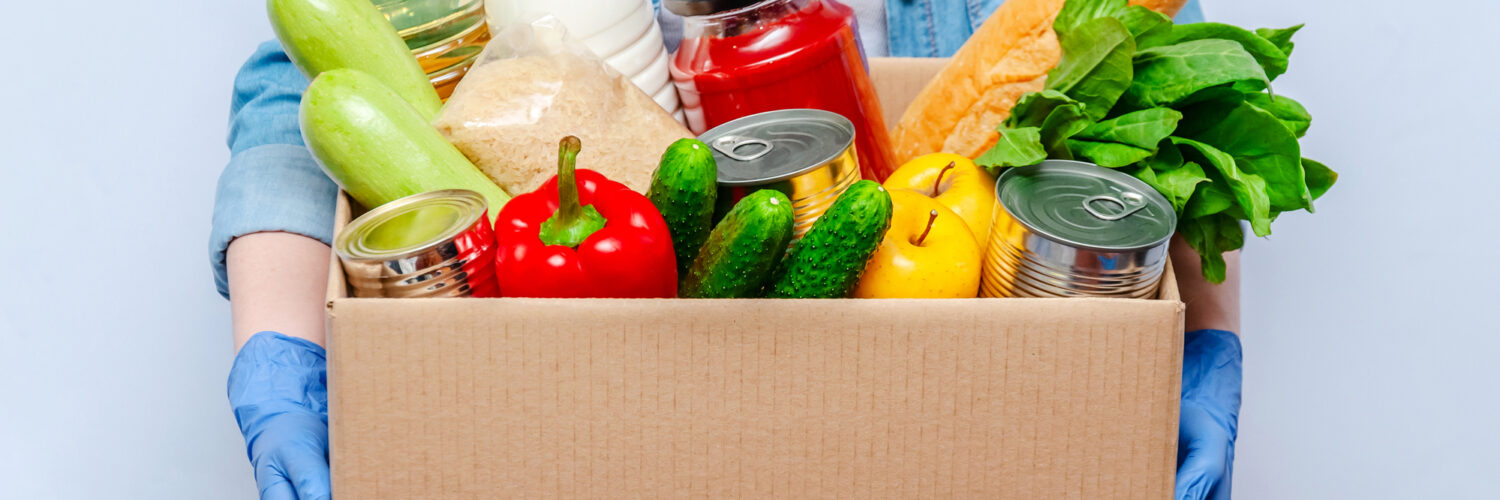
Food banks help fill the gaps. They may provide canned goods, fresh produce, bread, meat, frozen foods, pantry staples, or prepared meals depending on the location.
A food pantry visit does not usually reduce your SNAP amount. Food banks are not there to punish people for already getting help. They exist because many households need more than one food resource to get through the month.
Why Families Use Both
SNAP is helpful, but it may not cover every food need.
A household may still run short because of:
- High grocery prices
- Medical bills
- Rent increases
- Reduced work hours
- Transportation costs
- More children in the home
- Special diets
- Benefits running out before the next reload date
Food banks can help during the last week of the month, after an unexpected expense, or while waiting for a SNAP application to be approved.
What SNAP Can Buy
SNAP can be used for many grocery foods.
USDA says SNAP can buy foods for the household, including fruits, vegetables, meat, poultry, fish, dairy products, breads, cereals, snack foods, non-alcoholic drinks, and seeds or plants that produce food.
SNAP cannot be used for everything. It generally does not cover alcohol, tobacco, hot foods at the point of sale, vitamins, medicines, supplements, pet food, cleaning supplies, hygiene items, or paper products.
That is one reason food pantries can be useful. Some pantries may also offer diapers, soap, toiletries, pet food, or household items when donations are available.
What Food Banks May Ask For
Food pantry rules vary by location.
Some ask for proof of address. Others ask for an ID, household size, or a short intake form. Many pantries keep requirements simple because their goal is to get food to people who need it.
You usually do not need to prove that you do not receive SNAP. In fact, some food banks may encourage you to apply for SNAP if you are not already receiving it.
Before you go, call or check the pantry’s website for hours, documents, and pickup rules.
Other Programs You Can Use With SNAP
SNAP can also be used alongside other nutrition programs.
Depending on your household, you may be able to use:
- WIC for pregnant women, new mothers, infants, and young children
- Free or reduced-price school meals
- Summer meal programs for children
- Senior meal programs
- Meals on Wheels
- Community fridges
- Soup kitchens
- Farmers market matching programs
- Local emergency food boxes
These programs serve different needs, so using more than one is not wrong.
How to Stretch Food Help Across the Month
A simple plan can make SNAP and food pantry visits work better together.
Use SNAP for items your household chooses regularly, such as milk, eggs, rice, meat, produce, or ingredients for meals. Use food pantry items to fill in gaps, especially shelf-stable foods like pasta, beans, canned vegetables, cereal, peanut butter, and soup.
If your local farmers market offers a SNAP match program, use it for fruits and vegetables when possible. That can help your EBT balance go further.
How to Find a Food Bank Near You
Feeding America has a ZIP code search tool that helps connect people with nearby food banks and local food assistance. Local food banks may also help with SNAP application assistance.
You can also call 211 to find food pantries, food delivery, and food cost assistance programs near you.
When you call, ask:
- Who is open today?
- Do I need an appointment?
- What documents should I bring?
- How often can I visit?
- Do you offer delivery?
- Can someone help me apply for SNAP?
If You Are Still Waiting for SNAP
Apply for SNAP as soon as you can, but use food banks while you wait.
SNAP applications can take time. Federal rules require eligible households to receive benefits within 30 days, or within seven days if they qualify for expedited service.
If you have little or no income, tell the SNAP office right away. You may qualify for faster processing.
Bottom Line
You can use SNAP and food banks at the same time.
SNAP helps with monthly groceries, while food banks can help when benefits run low or when an emergency hits. Use every food resource available to your household, and ask your local food bank or 211 about other programs that may help too.