 Mark Luigi Dacumos
SNAP benefits can help you buy many of the foods your household needs for meals at home.
Your EBT card works like a debit card at approved stores. When you check out, eligible food items are charged to your SNAP balance. If your cart includes items SNAP does not cover, you will need another payment method for those items.
The easiest way to think about it is simple: SNAP usually covers food you take home to eat or prepare. It usually does not cover hot prepared food, alcohol, tobacco, medicine, supplements, or household supplies.
Foods You Can Buy With SNAP
SNAP covers many grocery basics.
You can usually buy:
- Fruits and vegetables
- Meat
- Poultry
- Fish
- Milk
- Cheese
- Yogurt
- Eggs
- Bread
- Cereal
- Rice
- Pasta
- Beans
- Canned foods
- Frozen meals
- Snack foods
- Non-alcoholic drinks
- Seeds and plants that grow food for your household
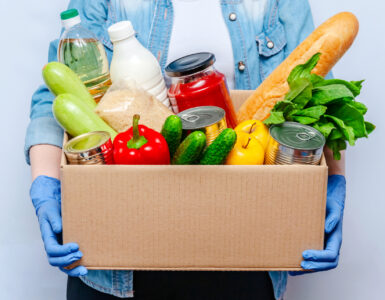
That means you can buy fresh produce, frozen vegetables, canned soup, chicken, ground beef, bread, cereal, milk, and other everyday grocery items.
You can also buy seeds or food-producing plants. For example, tomato plants, herb starters, and vegetable seeds may be eligible if they produce food for your household.
Foods and Items SNAP Does Not Cover
SNAP does not cover everything in the store.
You generally cannot use SNAP to buy:
- Beer, wine, or liquor
- Cigarettes or tobacco
- Vitamins
- Medicine
- Supplements
- Hot foods ready to eat at the store
- Pet food
- Cleaning supplies
- Paper towels
- Toilet paper
- Soap
- Shampoo
- Toothpaste
- Diapers
- Cosmetics
- Household items
A quick label check can help. If a product has a “Supplement Facts” label, it is usually treated as a supplement and is not eligible. Food items usually have a “Nutrition Facts” label.
The Hot Food Rule
The hot food rule is one of the most confusing parts of SNAP.
In most cases, SNAP cannot be used for food that is hot at the point of sale. That means a hot rotisserie chicken, hot deli meal, or hot pizza from a grocery counter usually will not qualify.
But a cold prepared item, frozen meal, or uncooked food that you heat at home may qualify.
For example:
- Frozen pizza: usually eligible
- Hot pizza slice from the store counter: usually not eligible
- Cold sandwich from the refrigerator case: may be eligible
- Hot sandwich prepared for immediate eating: usually not eligible
Rules can vary by store system and item setup, so check before you rely on your benefits at checkout.
Can You Buy Snacks and Drinks?
Yes, many snack foods and non-alcoholic drinks are allowed under federal SNAP rules.
This may include items like chips, crackers, cookies, bottled water, juice, and other non-alcoholic beverages.
However, some states have tried or may try special restrictions on certain items like candy or sweetened drinks. Because rules can change and may vary by state, check your state SNAP office if you are unsure.
Can You Use SNAP at Farmers Markets?
Many farmers markets accept EBT.
Some markets also offer matching programs that give extra value for fruits and vegetables when you use SNAP. These programs may be called Double Up Food Bucks, Market Match, or another local name.
Availability depends on your state and market. Ask the market manager or check your state SNAP website before you go.
Can You Use SNAP at Restaurants?
Usually, no.
SNAP is mainly for grocery food that you prepare or eat at home. However, some states operate the Restaurant Meals Program.
This program may allow certain eligible SNAP households to buy prepared meals at approved restaurants. It is generally limited to people who are elderly, disabled, homeless, or the spouse of someone who qualifies under the program.
Not every state offers it, and not every restaurant participates. Your EBT card must be coded for the program, and the restaurant must be approved.
How Much Can You Receive?
Your SNAP amount depends on household size, income, expenses, and state rules.
For FY 2026 in the 48 states and Washington, D.C., the maximum monthly SNAP amount is $298 for one person and $994 for a household of four. Many households receive less than the maximum because benefits are calculated based on income and allowable deductions.
Alaska, Hawaii, Guam, and the Virgin Islands have different maximum amounts.
How to Apply for SNAP
You apply through your state SNAP agency.
Most states let you apply online, by phone, in person, or with a paper application. You may need to provide proof of identity, address, income, expenses, and household members.
Most eligible households must receive benefits within 30 days. Some households with very low income or urgent need may qualify for expedited benefits sooner.
Bottom Line
SNAP covers many grocery foods, including fruits, vegetables, meat, fish, dairy, bread, cereal, snacks, non-alcoholic drinks, and food-producing seeds or plants.
It does not cover alcohol, tobacco, hot prepared food, medicine, supplements, pet food, cleaning supplies, hygiene items, or household products. Before you shop, check your state rules and ask your store if you are unsure about a specific item.