 Mark Luigi Dacumos
If you need groceries today, start with the places that can tell you what is open right now.
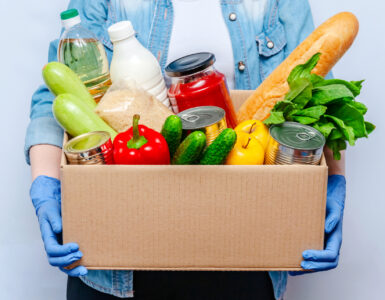
Food banks, food pantries, soup kitchens, churches, schools, and community groups all help people get food. Some offer a box of groceries. Some serve hot meals. Some have drive-through pickup. Others deliver to seniors, people with disabilities, or homebound neighbors.
The key is checking hours before you go. Many food pantries are only open on certain days or during short pickup windows.
Start With Feeding America
Feeding America has a ZIP code search tool that connects you with your local food bank.
Your local food bank can point you to nearby food pantries, meal sites, and distribution events. The tool is helpful because it starts with your area, not a national list that may be too broad.
Once you find your local food bank, check:
- Pantry locations
- Open hours
- Phone numbers
- Drive-through options
- Mobile pantry schedules
- Whether an appointment is needed
- Whether ID or proof of address is required
Call before leaving home if you can. Hours can change quickly, especially around holidays, weather events, or high-demand weeks.
Call 211 for Food Help Today
If online searches feel confusing, call 211.
Tell them your ZIP code and say, “I need food today.” They may be able to give you nearby pantry hours, emergency food options, free meal sites, or delivery resources.
211 can also help you find other support if food is only one part of the problem. You can ask about rent help, utility help, transportation, health care, or benefits applications.
Search for Mobile Food Pantries
A mobile pantry brings groceries into neighborhoods instead of making everyone travel to one building.
These distributions may happen at:
- School parking lots
- Churches
- Community centers
- Libraries
- Senior centers
- Apartment complexes
- Parks or public lots
Mobile pantries often have specific dates and times. Some are first come, first served. Others require registration.
Search your local food bank website for “mobile pantry,” “food distribution,” or “drive-through pantry.”
Check Churches and Community Centers
Not every food pantry appears in a national search tool.
Local churches, mosques, temples, community centers, and neighborhood nonprofits may run smaller pantries or emergency food closets. Some help anyone in the area. Others serve certain ZIP codes.
Call and ask:
“Do you have food pantry hours today, or do you know who is open nearby?”
Even if they are closed, they may know which local pantry is open.
What to Bring to a Food Pantry
Requirements vary, but many pantries try to keep the process simple.
Bring these if you have them:
- Photo ID
- Proof of address
- A piece of mail
- Reusable bags or boxes
- Information about household size
- Proof of children or dependents, if requested
Do not skip getting help just because you are missing a document. Call first and explain your situation. Some pantries can still help or tell you what they accept instead.
What You Might Receive
Food pantry items vary by location and supply.
You may receive:
- Canned goods
- Rice, pasta, or cereal
- Fresh produce
- Bread
- Milk or dairy
- Meat or frozen items
- Baby food or formula, if available
- Personal care items, if donated
- Pet food, at some locations
Some pantries let you choose items like a small grocery store. Others provide a pre-packed box.
Either way, the goal is to help you get through the next few days or weeks.
If You Cannot Leave Home
Ask about delivery.
Some food banks and local agencies offer home delivery for seniors, people with disabilities, people who are ill, or people without transportation. Meals on Wheels also has a ZIP code search tool for senior meal delivery and local meal services.
You may need to call, register, or get connected through a local provider.
Use Food Banks With SNAP or WIC
You can use a food bank even if you receive SNAP or WIC.
Food pantry help does not replace SNAP. Many households use both because SNAP may not last the full month. Some food banks also have staff or partners who can help with SNAP applications.
If you need ongoing grocery support, ask the pantry whether they can connect you with SNAP, WIC, school meals, senior meals, or other local programs.
What to Do If Everything Is Closed
If the pantry near you is closed, try:
- Calling 211
- Searching for soup kitchens or meal sites
- Calling local churches
- Checking your local food bank’s emergency page
- Asking your county social services office
- Looking for school or community meal distributions
- Calling a hospital social worker if you are already receiving care
If you have no food at all, say that clearly when you call. Some areas have emergency food boxes or same-day referrals.
Bottom Line
To find a food bank open today, search your ZIP code through Feeding America, call 211, and check your local food bank’s pantry schedule.
Before you go, confirm the hours, address, documents, and pickup rules. Food help is local, and the best option is usually the one that is open soonest and easiest for you to reach.